

Sun-kissed beaches, dramatic gorges, ancient history, and food that somehow tastes better under the blue sky – Crete has a way of pulling you in before you even book your ticket.
But here’s the real question travelers keep asking: what is the best month to visit Crete?
The answer isn’t one-size-fits-all, and that’s exactly what makes Crete special.
Whether you dream of swimming in turquoise waters, exploring archaeological treasures without crowds, or enjoying local life at a slower pace, choosing the right month can turn a good trip into an unforgettable one.
Let’s break it down season by season, so you can decide what the best month to go to Crete for your perfect vacation is.

What is the best month to go to Crete?
Crete is Greece’s largest island, and thanks to its size and diverse landscape, it’s truly a year-round destination. The best month depends on what you want most: warm sea temperatures, fewer crowds, lower prices, or outdoor adventures.
Instead of naming just one “perfect” month, it makes more sense to look at Crete by season. Each period offers a different side of the island – sometimes lively and energetic, other times calm and deeply authentic.
Let’s explore what each season brings.

Read also: Crete temperature by month: What to expect all year round
Winter months in Crete
Winter in Crete is mild compared to most of Europe. Temperatures usually range between 14-18 °C (57-64°F), with occasional rain noted mainly in January. Snow is rare and mostly limited to the White Mountains.
This is the quietest time of the year. Tourist crowds are minimal, many beach resorts slow down, and the island reveals its everyday rhythm. It’s the season when Crete feels most “local”.
If you enjoy cultural exploration and peaceful travel, winter can be surprisingly rewarding. You can visit the Palace of Knossos without lines, wander through old towns at your own pace, and enjoy museums without feeling rushed. Food lovers will also appreciate winter, as traditional tavernas focus on hearty, seasonal dishes and local wines.
Outdoor activities are still possible, especially on dry days. Gentle hiking routes and countryside walks are popular, and cycling enthusiasts often enjoy Radtouren thanks to the cooler temperatures. While swimming isn’t ideal, winter offers a deeper connection to Crete’s culture and history.
Best for: Culture lovers, slow travel, budget-friendly trips, and travelers who want to avoid crowds entirely.

Erfahren Sie mehr: Crete cycling holidays: Explore the island on two wheels
Spring months in Crete
Crete comes to life in spring, and many would say that this is the best month to visit Crete if you love nature and tranquility.
Temperatures gradually rise from 17°C to around 24°C (63–75°F), the landscape turns lush and green, and wildflowers cover hillsides. The weather is ideal for outdoor exploration, with plenty of sunshine and comfortable days.
This is the perfect season for hiking experiences such as the Samaria-Schlucht or the Imbros-Schlucht, before summer heat sets in. Archaeological sites feel enjoyable rather than exhausting, and places like Knossos or traditional villages are easy to explore.
Crowds remain moderate, especially before Easter, and prices are generally lower than in summer. You can start enjoying the sea – especially by late May – while popular beaches like Elafonissi oder Falassarna Strand are far less busy than during peak season.
Spring is also a great time for experimental activities. Cooking lessons, winemaking sessionsund countryside cycling fit perfectly with the season’s relaxed energy.
Best for: Nature lovers, hikers, cultural explorers, and travelers seeking mild weather with fewer tourists.

You may be interested in: Samaria-Schlucht: Der ultimative Wanderführer für den kultigen Ort auf Kreta
Summer months in Crete
Summer is peak season – and for good reason. Long sunny days, crystal-clear waters, and a vibrant atmosphere define Crete during these months.
Temperatures typically range from 28–35°C (82–95°F), with July and August being the hottest. Rain is almost non-existent, and the sea is warm and inviting all day long.
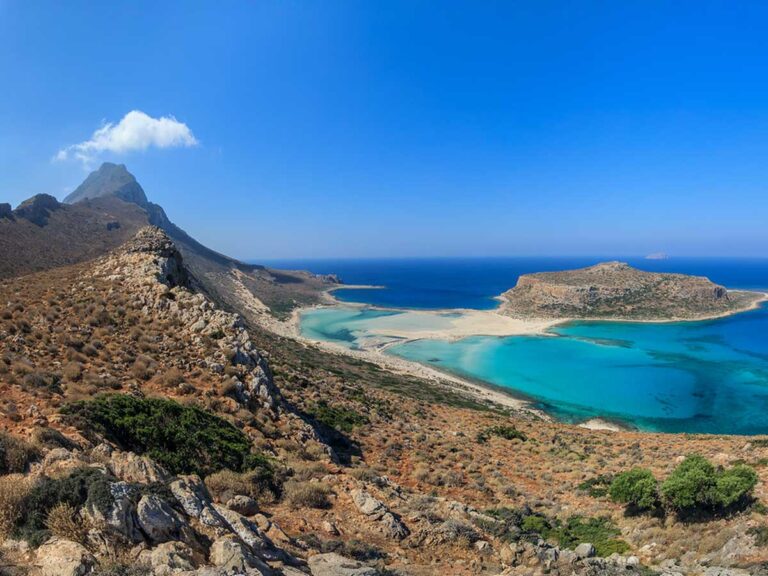
This is the ideal time for beach-focused experiences and island adventures. A cruise to Balos Lagoon and Gramvousa is at its best in summer, offering stunning views and perfect swimming conditions. Water-based fun dominates: snorkeling, sea sports, and boat trips are everywhere.
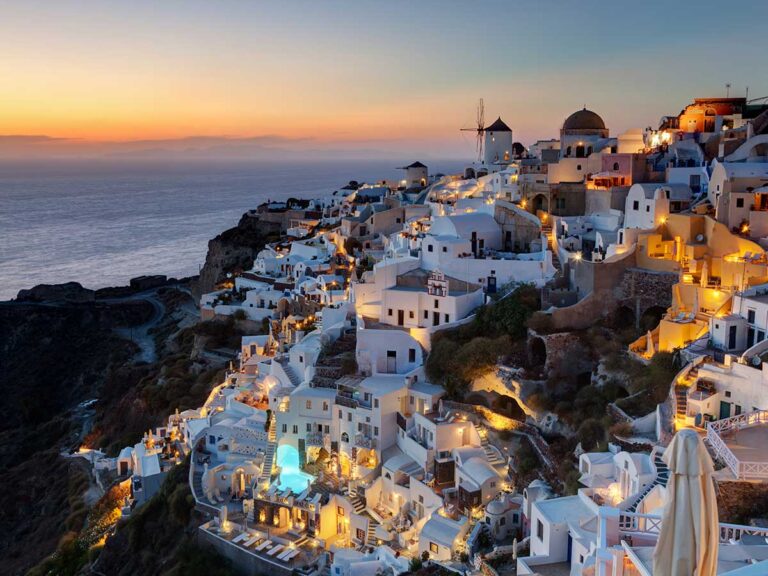
Crowds are at their highest, especially in August when Europeans take their main holidays. Popular areas can feel busy, and prices peak – but the energy is contagious. Summer is also ideal for a Tagesausflug nach Santorin, as ferry schedules are frequent and the weather is reliably clear.
Despite the heat, evenings are magical. Long dinners by the sea, lively towns, and sunset strolls make summer unforgettable.
Best for: Beach lovers, sea activities, social travelers, and those who want the full Mediterranean summer vibe.

Read also: What are the top things to do in Santorini during a day-trip from Crete
Autumn months in Crete
Autumn is often described as Crete’s best-kept secret. The sea remains warm from summer, temperatures soften (20–28°C / 68–82°F), and the crowds slowly fade.
September is especially popular with travelers who want summer conditions without peak-season intensity. October brings a calmer atmosphere, while November feels more local and relaxed, with occasional rain.
This season is ideal for a mix of experiences. Beaches are still inviting, but sightseeing becomes more comfortable. Wandern returns to the spotlight, cycling is pleasant again, and cultural visits feel unrushed.
Autumn is also harvest time. Winemaking sessions, Olivenölherstellung, und food-focused experiences shine during this period, giving travelers a chance to connect with Crete’s agricultural traditions. Cooking lessons feel even more authentic when ingredients are at their freshest.
Best for: Couples, relaxed travelers, food lovers, and anyone who wants warm weather without heavy crowds.

Erfahren Sie mehr: Auf die Tradition anstoßen: Kretische Weintouren mit lokalen Experten
High vs Low season in Crete
Understanding the high and low seasons can help us answer the question of which is the best month to visit Crete.
- High season runs from June to August. Expect excellent weather, a lively atmosphere, and full availability of tours and services—but also higher prices and more visitors.
- Low season spans November to March. It’s quieter, cheaper, and more authentic, though some tourist services operate on reduced schedules.
- Shoulder seasons—spring and autumn—often offer the best balance. Pleasant weather, reasonable prices, and fewer crowds make these months a favorite among experienced travelers.
There’s no “bad” time to visit Crete—just different moods and experiences depending on when you arrive.

Read also: Cruises in Crete: Find your ideal seaside adventure
Final tips for choosing the best time to visit Crete
So, what is the best month to visit Crete?
If you love beaches and energy, summer is unbeatable.
If you prefer comfort, color, and balance, spring and autumn are ideal.
If you want authenticity and calm, winter offers a different kind of magic.
The key is matching the season to your travel style.
And when you’re ready to turn plans into experiences—from iconic island cruises to cultural and nature-focused excursions-Balos-Travel is there to help you explore Crete in a way that feels effortless, local, and unforgettable.